Smoked Hot Dog Recipes for Bold Backyard Flavor
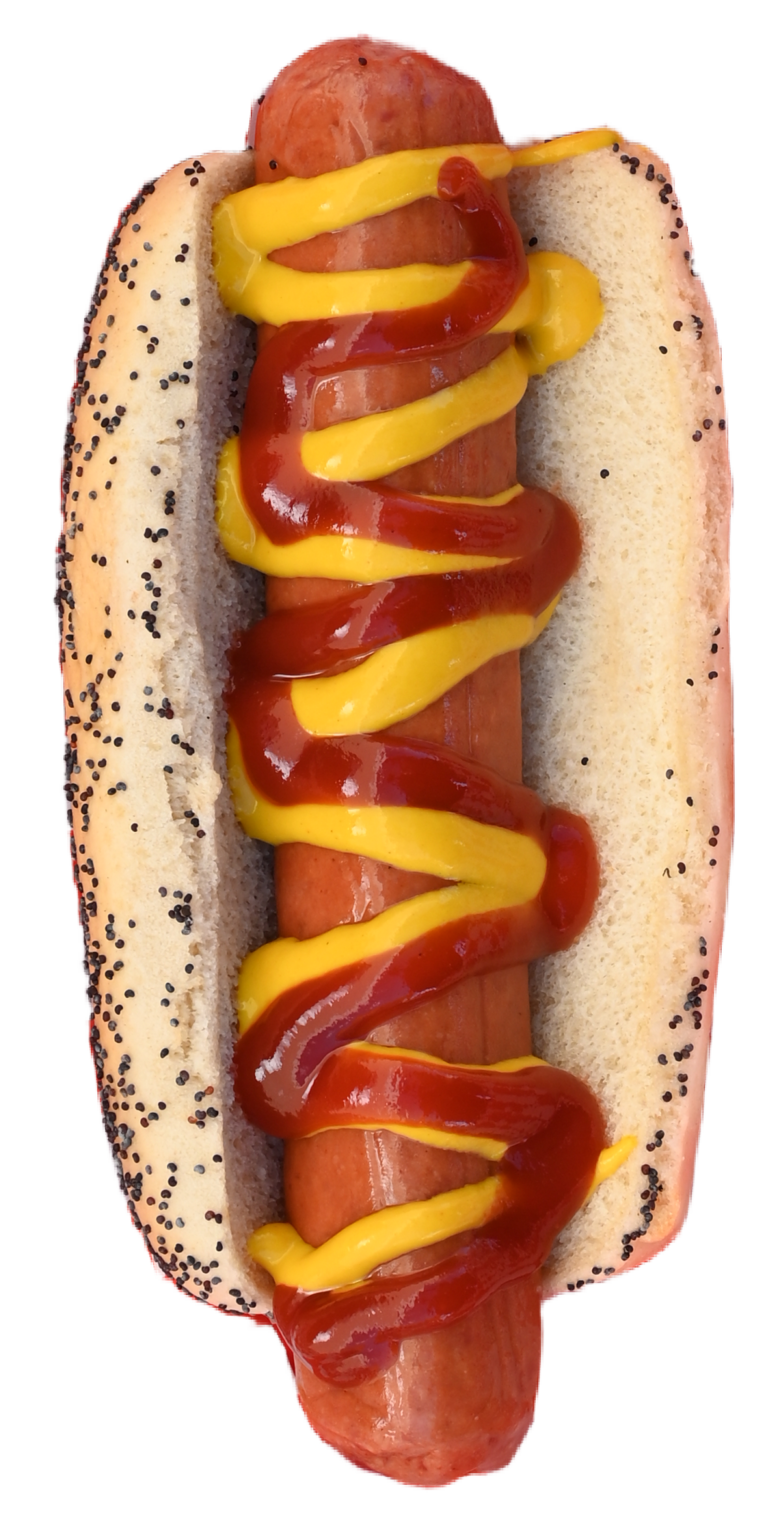


A smoked hot dog can turn an ordinary cookout into something people remember. Not because it is fancy, and not because it takes all day, but because smoke changes the entire personality of a familiar food. The casing tightens, the surface bronzes, the fat inside softens, and the flavor picks up that savory edge you cannot get from boiling or steaming. Done well, a smoked hot dog tastes bigger, richer, and more deliberate, like it actually belongs beside brisket, ribs, and pulled pork instead of being the emergency option for picky eaters.
That matters in a backyard setting. Most people already know what a grilled hot dog tastes like. The challenge is giving them something recognizably classic while still making it feel special. Smoking does exactly that. It adds depth without making the meal complicated, and it gives the cook room to play with toppings, sauces, and bun choices in a way that feels relaxed rather than overdesigned.
I have found that hot dogs reward attention in the same way sausages do. They are forgiving, but not thoughtless. Temperature, wood choice, split patterns, and timing all change the final bite. A cheap all-beef dog with the right smoke and a toasted bun can beat a more expensive one that sat too long on a hot grate. Backyard cooking often works like that. The little decisions matter more than the shopping list.
Why smoking works so well with hot dogs
A hot dog is already cured, seasoned, and emulsified, which means the smoker is not there to cook it from raw in the way it cooks a pork shoulder. The smoker’s real job is to build aroma, develop surface texture, and warm the inside gently enough that the juices stay where they belong. That is why smoked hot dogs are one of the easiest entries into outdoor smoking. You get clear results fast, often in under an hour, and the margin for success is generous.
The best part is the contrast. Smoke loves fat, and a good hot dog has plenty of it. The rendered fat carries the wood aroma through the whole bite. At the same time, the casing firms up and snaps more cleanly. That snap is not just texture for texture’s sake. It tells you the hot dog stayed juicy instead of bursting and drying out.
This also makes smoked hot dogs a strong choice for mixed groups. Kids usually take to them right away because the format is familiar. Adults notice the deeper flavor and start asking what wood you used, whether you scored them, and why they taste better than the ones from the ballpark. It is one of those low-effort, high-return cooks that can make a backyard host seem more ambitious than they really are.
Choosing the right hot dog
Not every hot dog behaves the same in the smoker. The differences are subtle at first, then obvious once you pay attention. All-beef franks usually give you the strongest savory payoff, especially if you want a robust smoke profile and toppings like onions, mustard, or chili. Pork and beef blends can be slightly softer and sweeter. Skinless dogs are easier to find and still smoke well, but natural casing dogs usually deliver the better snap and hold up more confidently if you score them.
The salt level matters too. Some brands are already heavily seasoned, so a strong wood like mesquite can overwhelm them. Others are mild enough to benefit from a bolder smoke. If I am cooking for a crowd and want reliable results, I usually choose a mid-priced all-beef hot dog with a natural casing. It gives enough fat for flavor, enough structure for smoking, and enough quality that toppings feel like additions rather than rescue work.
Bun choice is often overlooked. A soft bun can be pleasant, but smoking a hot dog tends to call for something with a little more structure. A split-top bun, lightly buttered and toasted, holds sauces better and stands up to the juicier dog. Potato buns work well if you want a softer texture. Brioche can be good, though it can drift sweet if the toppings already lean sugary. This is one of those places where balance matters more than trend.
The smoker setup that makes the difference
You do not need a competition rig to make excellent smoked hot dogs. A pellet grill, charcoal smoker, offset, kettle with indirect heat, or even a gas grill with a smoke box can all get you there. The target is gentle, clean heat. In most cases, 225 to 275 degrees Fahrenheit is the sweet spot. Lower temperatures give the hot dogs more time to absorb smoke before the casing tightens too much. Higher temperatures work if you are short on time, but you risk wrinkling or splitting them before they pick up enough smoke.
Wood choice shapes the final profile more than many people expect. Hickory gives a classic barbecue punch and works especially well with beef dogs. Apple and cherry are softer and slightly sweeter, which can be excellent if you are serving toppings like slaw or spicy mustard. Oak is dependable and balanced. Mesquite can work, but only in a restrained way. It is easy to turn a hot dog bitter with aggressive smoke.
Clean smoke matters. If the smoke rolling out of your pit looks thick and chalky, the flavor will likely follow. You want that thinner, almost blue smoke that smells pleasant rather than harsh. Because hot dogs cook quickly, any bitterness shows up clearly.
Scoring is optional, but useful. A shallow spiral cut or several diagonal slashes increase surface area, create more browned edges, and give the smoke more places to cling. Cut too deeply, though, and the dog can dry out or curl awkwardly. Think shallow and intentional, not hacked apart.
A few backyard rules worth following
These guidelines solve most of the mistakes I see when people smoke hot dogs for the first time:
- Keep the heat moderate, ideally between 225 and 275 degrees Fahrenheit.
- Use a mild to medium wood unless you know the brand of hot dog can handle stronger smoke.
- Smoke until the dogs are plump and lightly bronzed, usually 30 to 60 minutes depending on temperature and size.
- Toast the buns at the end, not early, so they stay warm and structured.
- Add wet toppings just before serving, otherwise the bun will give out before the first bite.
Those five points sound simple because they are simple, but they separate a backyard snack from something that tastes considered.
The classic smoked backyard hot dog
The version I return to most often is not elaborate. It is a well-smoked all-beef hot dog in a toasted bun with yellow mustard, diced onions, and a spoonful of pickle relish. The reason it works is contrast. The smoke deepens the meat, the onions bring bite, the mustard cuts richness, and the relish adds sweetness and acidity. Nothing fights for attention.
I usually smoke the dogs at 250 degrees Fahrenheit for about 40 minutes. If they are natural casing dogs, I will score them lightly on a diagonal first. As they smoke, the surface darkens and the cuts open just enough to create crisp little edges. In the last few minutes, I lay split-top buns cut side down over a buttered hot plate or a cooler section of the grill until they turn golden. Then it is just assembly.
People often underestimate how satisfying that straightforward combination can be. There is a reason the old standards survive. Smoke does not ask you to reinvent the hot dog. It asks you to refine it.
The chili-cheese smoked hot dog that eats like a full meal
If you want the hot dog to be the event rather than the fallback, chili and cheese are the move. The smoked dog gives the dish a meaty backbone that can stand up to a hearty topping. This is where an all-beef frank really earns its keep.
I prefer a thick chili rather than a soupy one. A loose chili runs through the bun and onto your wrist before you get halfway through. A thicker chili stays put and tastes more integrated. After the hot dogs come off the smoker, I nestle them into toasted buns, spoon over the chili, add shredded sharp cheddar, and finish with minced white onion. If the cheese goes on while the dog is still very hot, it softens just enough without becoming greasy.
There is a practical point here. Chili dogs are often messy in a way that feels careless. Smoked chili dogs should be messy, but controlled. The dog should still be visible, the bun should still function, and each bite should include smoke, meat, chili, cheese, and onion instead of collapsing into a warm paste. That comes down to restraint. Most backyard food gets better when you stop one step before excess.
A bacon-wrapped version for bigger flavor
Bacon-wrapped smoked hot dogs can be excellent, but they need judgment. Bacon adds salt, fat, and crunch, yet it can also block smoke from reaching the dog and can tighten unevenly if the heat is too low. The best approach is partial wrapping or a thinner slice of bacon stretched slightly around the dog with a small overlap. Thick-cut bacon often stays chewy by the time the hot dog is ready.
This style benefits from a slightly hotter smoker, closer to 275 degrees Fahrenheit. That helps the bacon render while still allowing the hot dog to absorb smoke. A light brush of barbecue sauce in the final ten minutes can create a sticky glaze, though I would skip that if the sauce is very sweet. Sugar plus smoke can get cloying fast on something as rich as a bacon-wrapped hot dog.
For toppings, keep some sharpness in play. Pickled jalapeños, mustard, or a vinegar slaw can rescue the whole thing from heaviness. Without acid, the first bite is fun and the second feels like work.
The jalapeño-cheddar smoked hot dog for heat lovers
There is an easy way to make a hot dog feel more custom without making your prep table look like a deli counter. Use jalapeños and cheddar, but think about heat in layers. Fresh jalapeño gives bright crunch and grassy spice. Pickled jalapeño gives tang and softer burn. A cheddar sauce gives coverage, while shredded cheddar gives texture. Mixing all of them usually muddles the effect.
I like a smoked hot dog with a shallow spiral cut, smoked over oak or cherry, tucked into a toasted bun, then topped with a modest stripe of warm cheddar sauce and a small handful of finely chopped pickled jalapeños. The acid from the peppers keeps the cheese from flattening the flavor. If I want more crunch, I add a spoonful of fried onions rather than raw onions. That brings texture without adding another wet component.
This style works especially well for game days because the flavor reads bold even when people are eating outdoors with a drink in hand. Smoke and spice are natural companions.
A slaw dog for contrast and balance
One of the best smoked hot dog combinations is also one of the least flashy. A slaw dog, especially with a vinegar-forward slaw, balances smoke better than almost anything else. Rich hot dog, soft bun, crisp cabbage, bright dressing. It is a complete bite.
The key is making sure the slaw is not too wet. A heavily dressed slaw will flood the bun and wash away the smoke. A tighter, drier slaw with cabbage, a little carrot, cider vinegar, a touch of sugar, and black pepper works beautifully. You can add mustard to the dressing if you want a sharper profile. I often choose apple wood for this version because the lighter smoke stays in the background and lets the slaw do its job.
This is also the version that converts people who say they do not really like hot dogs. They often mean they do not like hot dogs that feel one-note. Smoke and slaw solve that immediately.
What to serve alongside, without turning the plate into a cliché
A smoked hot dog already carries strong flavor, so the sides should support rather than compete. Potato salad can work, but I prefer one with more mustard and less sweetness. Baked beans are natural, though if your hot dogs are already glazed or topped with chili, you may not need another rich, saucy side. Grilled corn, cucumber salad, or a simple bag of kettle chips often make more sense.
Cold beer is the obvious pairing, but smoked hot dogs also work well with sparkling lemonade, iced tea with less sugar than usual, or even crisp lager-like nonalcoholic options. The smoke and salt appreciate refreshment.
The broader point is this: the hot dog does not need help becoming interesting. It needs room to stay the center of the meal.
Timing for a crowd
Hot dogs are one of the easiest smoked foods for party pacing. Unlike steak or burgers, they are forgiving in the holding window. Once smoked, they can sit in a covered pan in a warm zone for a short time without major quality loss, especially if you add a splash of beer or a small pat of butter to the pan for moisture. I would not hold them for hours, but 20 to 30 minutes is usually fine.
If I am feeding a group, I smoke the first batch until nearly done, toast buns in waves, and then finish the dogs with a brief kiss of direct heat right before serving if I want extra color. That final sear is not mandatory, but it can add visual appeal and sharpen the casing. You just have to move quickly. Stay too long over direct heat and the interior goes from juicy to tired.
Crowd cooking also changes topping strategy. Keep one or two signature combinations in mind rather than setting out every condiment in the refrigerator. Too many options slow people down and make the food feel less intentional. A smoked dog bar sounds fun in theory. In practice, it often produces traffic jams and overloaded buns.
The most common mistakes
The first mistake is oversmoking. Hot dogs do not need the same exposure as ribs. Because they are small and fatty, they take on flavor quickly. Too much smoke leaves them tasting acrid and strangely dry.
The second mistake is using heat that is too high from the start. When the casing splits aggressively, juices escape, the dog shrivels, and the bun ends up carrying the meal. You want the hot dog to look plump, not stressed.
The third mistake is ignoring the bun. A smoked hot dog deserves a warm, toasted bun with some structure. A cold, flimsy bun makes the whole thing taste less considered no matter how well you handled the smoke.
The fourth mistake is topping without contrast. Smoke needs acid, heat, crunch, or all three. If every topping is soft and sweet, the final result feels dull.
One dependable method that works nearly every time
If you want a simple baseline recipe to build from, this is the one I recommend:
- Preheat your smoker to 250 degrees Fahrenheit with hickory, oak, apple, or cherry wood.
- Lightly score natural casing hot dogs if desired, then place them on the grates with space between each one.
- Smoke for 35 to 45 minutes, until they are heated through, slightly darkened, and plump.
- Toast the buns during the final few minutes, using butter if you like.
- Serve immediately with toppings that bring balance, such as mustard, onions, slaw, chili, jalapeños, or relish.
That method works on most pits and with most quality hot dogs. Once you know how your cooker runs, you can adjust by https://maps.app.goo.gl/sQc4uJqEpXEU3Gav6 ten-minute increments and refine from there.
Building your own signature smoked hot dog
The best backyard cooks usually settle on one or two signature combinations, not because they lack imagination, but because repetition teaches precision. After enough weekends, you start noticing which woods flatter which brands, which buns survive saucy toppings, and which condiments create excitement without chaos.
A good way to think about it is to build around one dominant idea. If the smoke is bold, keep the toppings cleaner. If the toppings are rich, use a milder wood. If the dog itself is premium and heavily seasoned, let it speak. If it is a basic supermarket pack, give it help with texture and acidity. Every choice should answer a simple question: what does this hot dog need more of, and what does it already have enough of?
That is the part people miss when they talk about barbecue as if it were all instinct. Instinct matters, but judgment matters more. You learn to stop at enough.
Backyard flavor that actually feels bold
Bold flavor is not about piling on heat, sugar, smoke, cheese, bacon, and sauce until the hot dog disappears. It is about making each element clearer. Smoke should taste like smoke, not soot. The hot dog should still taste like itself, only deeper and better. The bun should support, not collapse. Toppings should sharpen the edges of the bite rather than bury it.
When all of that lines up, a smoked hot dog can carry a cookout with surprising authority. It is affordable, fast, deeply satisfying, and flexible enough to suit a family dinner or a yard full of guests. More importantly, it feels generous. People know what a hot dog is supposed to be, so when you hand them one that smells faintly of hickory, snaps at the first bite, and lands with real balance, they notice.
That is the appeal of smoked hot dog recipes at their best. They take something familiar and give it backbone. Not with gimmicks, but with craft.
Under Construction Hot Dogs
1225 W U.S. Hwy 50, Pueblo, CO 81008
FAQ About hot dog
What are different types of hotdogs?
Under Construction Hot Dogs offers a classic all-beef hot dog, a quarter-pound Jumbo Dog, a Chili Dog, and a Chicago Dog, along with brats and a Spicy Link.
What does a chili dog have on it?
Our Chili Dog pairs a Vienna all-beef hot dog with chili, shredded cheddar cheese, and finely diced onions.
What is in a traditional Chicago dog?
Our Chicago Dog comes on a steamed poppy seed bun with yellow mustard, bright green relish, onions, tomato wedges, a pickle spear, sport peppers, and celery salt.